

































Operator Chairs - A Brief Guide
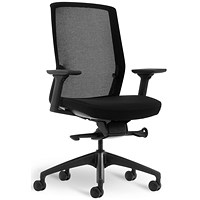
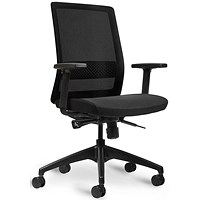
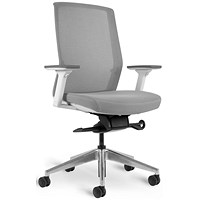
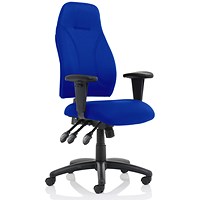
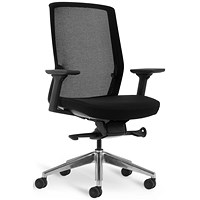
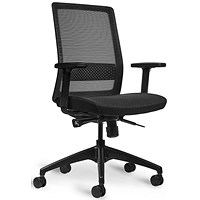
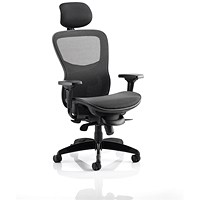
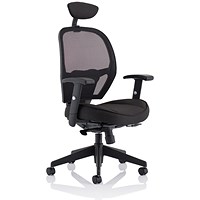
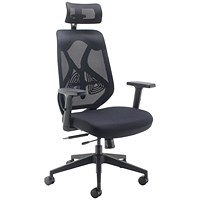
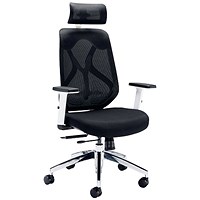
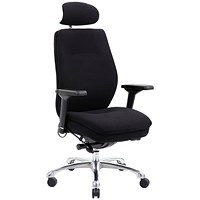
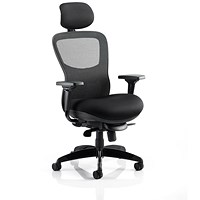
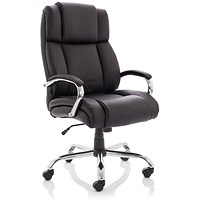
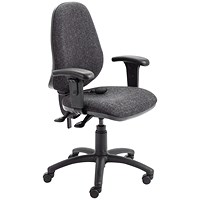
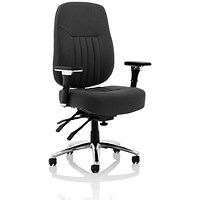
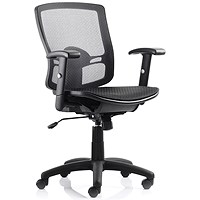
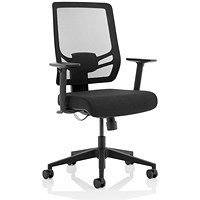
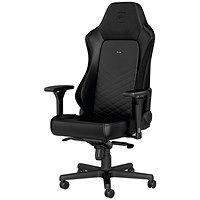
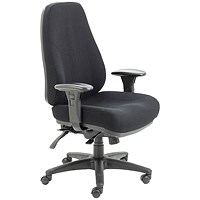
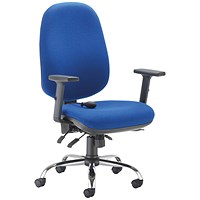
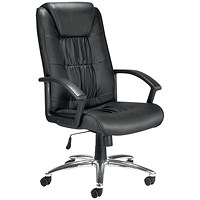
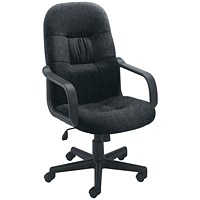
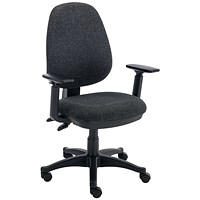
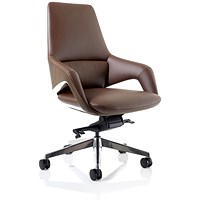
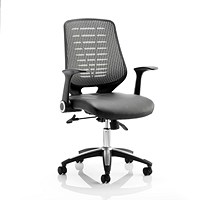
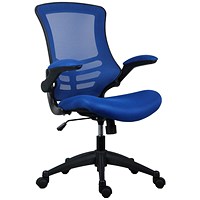
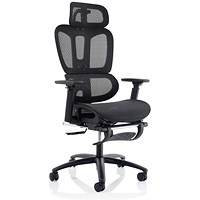
Operator chairs are the most common of chairs encountered in the office. They are your standard, mobile office chair with adjustable height and (usually) adjustable back angle and all with a rotating (swivel) seat. You may also know them as desk chairs, computer chairs, task chairs or swivel chairs.
The average operator chair will travel more than seven miles in a year’s normal use as the user wheels about. They will typically be in use 7-8 hours a day, five days a week. No other item of office furniture impacts more – both positively and potentially negatively – on the occupational health, comfort and productivity of office workers, so we can’t emphasise enough the importance of choosing the right operator chair. Cutting costs by buying cheaper, inferior chairs may incur greater costs at a later stage through reduced productivity, occupational health complaints and even absenteeism.
In general, the higher the price of an operator chair, the more features, knobs and levers it will have – e.g. adjustable lumbar, synchro or asynchro tilt, permanent back contact, adjustable back height, height-adjustable arms.
Office chair jargon-buster
Height-adjustable. The seat height either raises or lowers to suit the user.
Asynchronous tilt. The seat and back will move independently of each other.
Synchro tilt. The seat and back move in a synchronised motion and are lockable in multiple positions.
Standard tilt lock. The seat and back move backwards in tandem.
Adjustable lumbar support. Lower back support adjusts internally in the seat for additional support to the lower back.
Posture back. Sculptured seat and back with kidney shaping for the ultimate in back support.
Adjustable back height. The back can be heightened and lowered to fit the user.
Seat slide. The seat slides forwards and backwards to match user’s size.