
DISC profiling: what it is, and why we loved it
At Paperstone, we’re a small team. And like most small teams, we work closely together every day – which is great… until you start butting heads. Different personalities, different communication styles, different ways of getting things done. Sound familiar?

Recently, we took part in some DISC profiling sessions as a team which were hosted by BLOC Group. Honestly – we didn’t expect it to be so eye-opening and useful. It helped us understand each other better, think about communication styles, and consider each other’s strengths instead of accidentally clashing. So we thought we’d share what DISC profiling is, why we loved it, and why we think more businesses should consider it.
The Paperstone team during their DISC training session
What is DISC profiling?
DISC is a personality framework that looks at how people behave and communicate. It groups people into one of four styles.
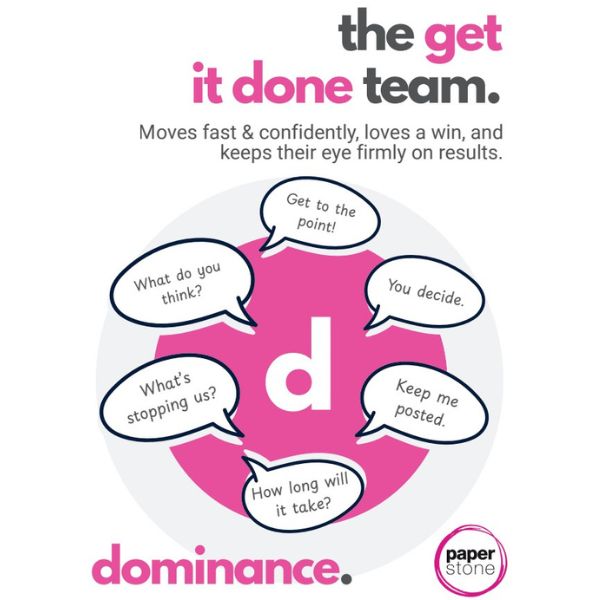
- D – Dominance: Direct, results-focused, decisive
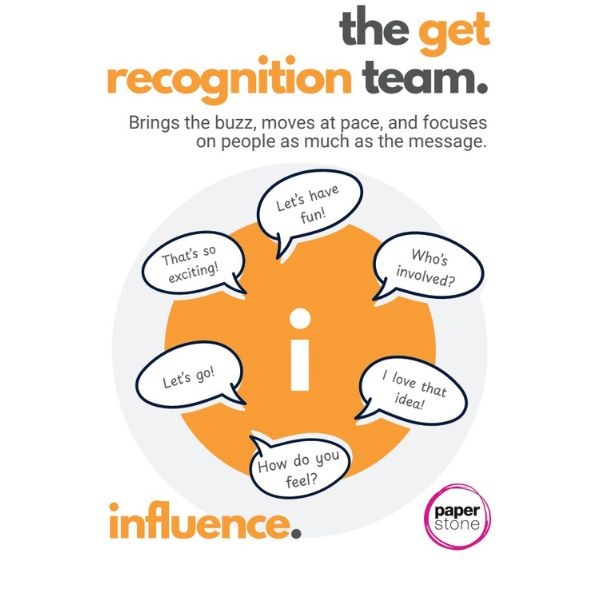
- I – Influence: Sociable, enthusiastic, people-orientated
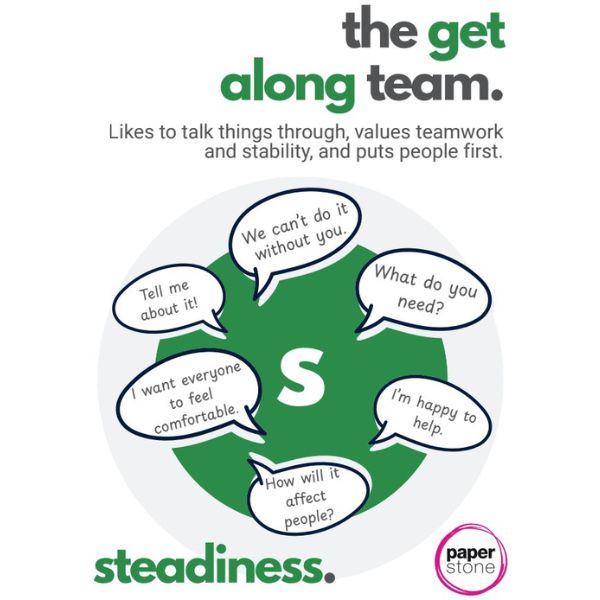
- S – Steadiness: Calm, supportive, reliable
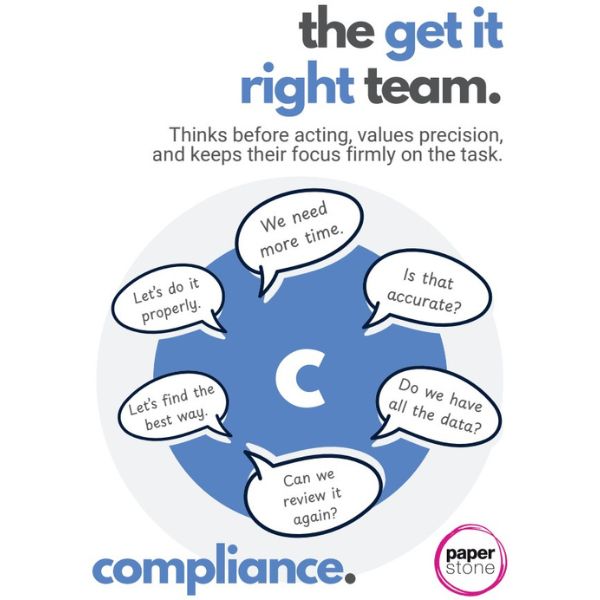
- C – Conscientiousness: Detail-focused, analytical, organised
Most people are a mix of these, but usually one or two are more dominant. DISC isn’t about putting people in boxes or saying one style is “better” than another – it’s about understanding differences and learning how to work with them.
Why we loved it
The biggest surprise for us was how accurate it felt. There were lots of “ohhh, that makes sense now” moments. Things like:
- Why some of us like quick decisions, while others want more detail.
- Why certain people prefer straight-to-the-point conversations, and others need time to talk things through.
- Why what feels “helpful” to one person can feel overwhelming to another.
Instead of assuming someone was being difficult, disengaged, or overly picky, we could see that they were just operating from a different style – and that was a game changer.
Better communication, less friction
One of the biggest wins for us has been communication. DISC helped us understand not just what people say, but how the other person prefers to hear things.
For example:
- Some people want to get to the point – no fluff, just the outcome.
- Others want context, reassurance, and collaboration.
- Some thrive on data and details.
- Others respond better to ideas and big-picture thinking.
Once you know this, you can adapt how you communicate – and suddenly things move faster, with fewer misunderstandings and less frustration on all sides.
How we’re implementing DISC day-to-day
One thing we were really conscious of was not letting DISC become one of those things you do once, nod along to… and then forget about completely.
To make it stick, we’ve built it into how we work:
- Team profiles on our intranet
Each team member has their DISC profile on our company intranet, so it’s easy to refer back to. If you’re about to start a project, give feedback, or have a tricky conversation, you can quickly remind yourself how that person prefers to communicate and what helps them do their best work. - Visual reminders around the office
We’ve put up posters around the office and on our digital wallboards that explain the different DISC styles, what motivates them, and how best to communicate with each one. It keeps DISC front of mind and acts as a gentle nudge when you’re rushing or feeling stressed. - Using the language every day
We actively encourage people to reference DISC in conversations. It helps remove emotion and assumption from situations and keeps things constructive. Instead of “you’re being too detailed” or “you’re rushing this,” it becomes a much more positive conversation about styles and needs.
The goal is to make DISC part of our culture – not a training session we vaguely remember, but something we practise every day.
We’re not trying to change our team
This is important to us. DISC isn’t about trying to “fix” people or force everyone to work the same way. It’s about understanding everyone better and recognising that everyone is different – and that is a good thing.
It’s helped us lean into our strengths as a team. We know who’s great at driving things forward, who keeps us organised, who brings the energy, and who makes sure the details are right. Instead of everyone trying to do everything, we work more naturally and efficiently together.
Why every business should consider it
You don’t need to be a huge business for DISC to be useful. In fact, we think it’s especially powerful for small teams, where every interaction matters.
If your business relies on people working closely together (and let’s face it, most do), DISC can help:
- reduce misunderstandings and tension;
- improve communication and collaboration;
- build empathy and trust within teams;
- help managers support people more effectively; and
- make work feel a bit more human.
Our takeaway
DISC profiling gave us insight, clarity, and brought a closeness to the team. More importantly, it gave us practical tools we can use every day.
By keeping profiles visible, talking about it openly, and reminding ourselves that different doesn’t mean difficult, we’ve made DISC part of how we work at Paperstone – not just something we learned and moved on from.
If you’ve ever thought, “Why do we keep butting heads over this?” or “Why doesn’t this land the way I expect it to?” – DISC might just be worth a look.
We’re really glad we did it.



Recent Comments