





Notebooks - A Brief Guide
Whether you’re looking to scribble down notes at a meeting, or archive important information, you will find the perfect notebook at Paperstone.
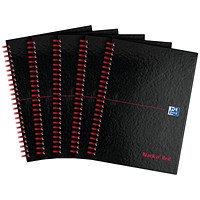
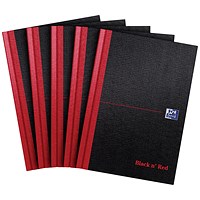
Our wide range includes trusted, high-quality brands including 5 Star, Black n’ Red, Pukka Pads and Silvine, as well as more cheap and cheerful economy notebooks.
Wirebound vs. Casebound
Most notebooks are bound in one of two ways. Each of these styles are available with easy-to-remove perforated pages.
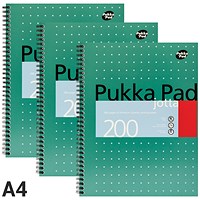
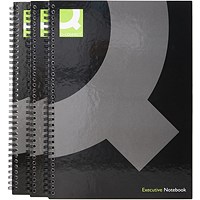
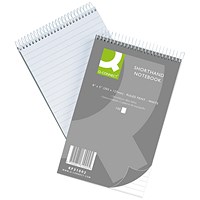
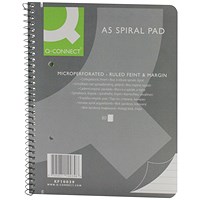
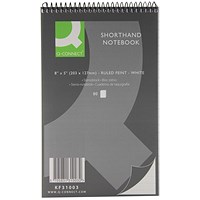
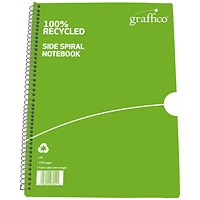
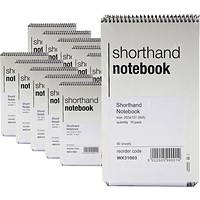
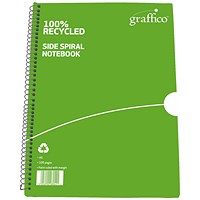
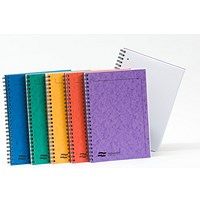
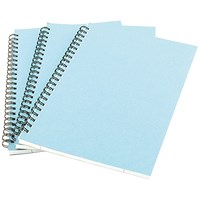
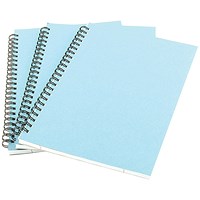
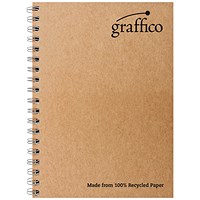
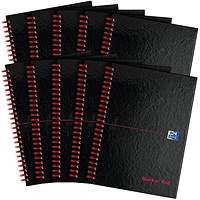
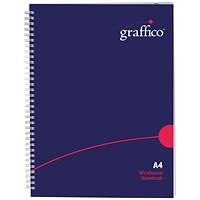
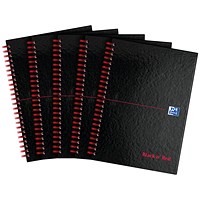
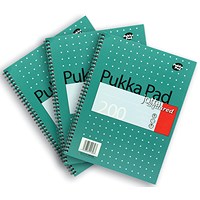
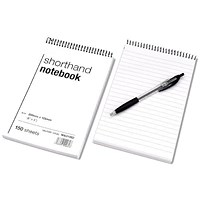
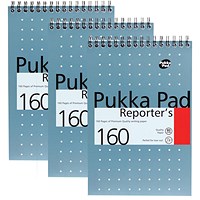
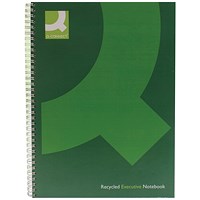
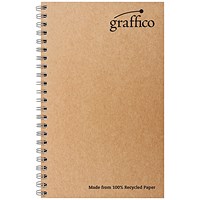
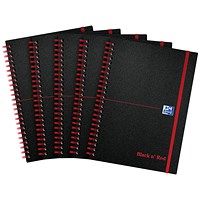
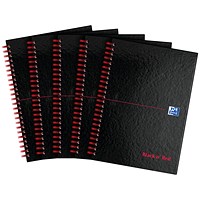
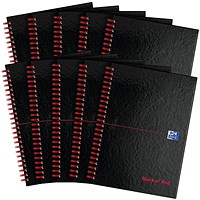
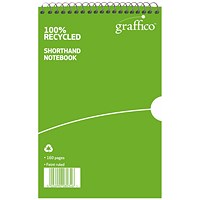
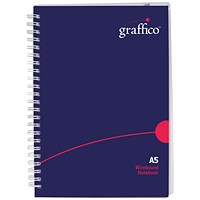
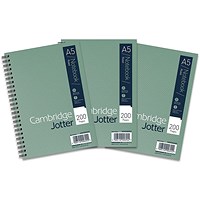
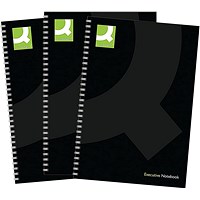
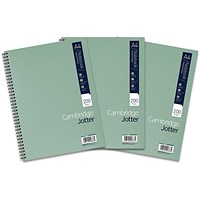
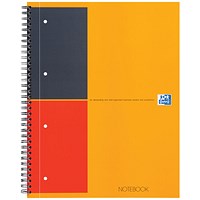
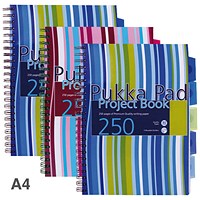
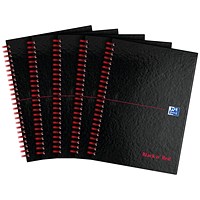
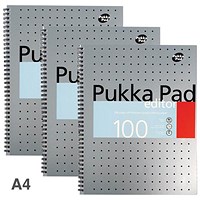
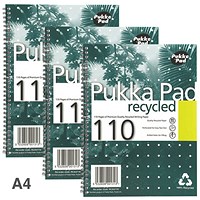
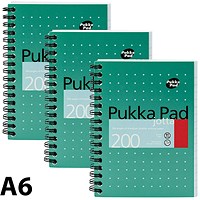
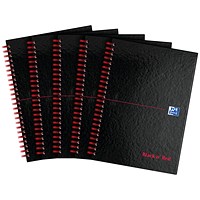
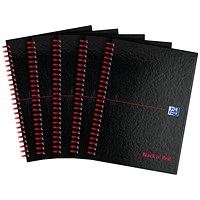
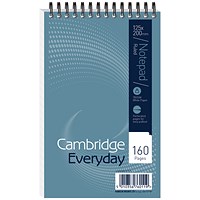
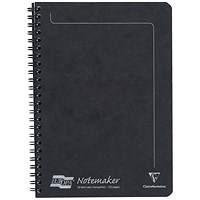
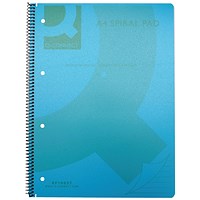
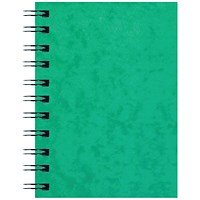
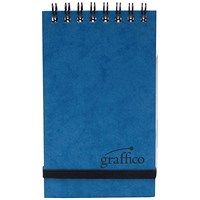
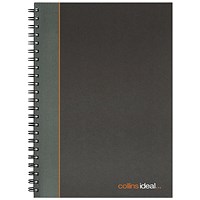
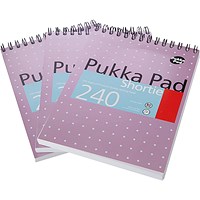
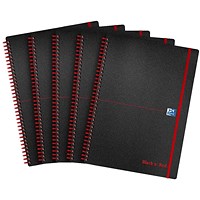
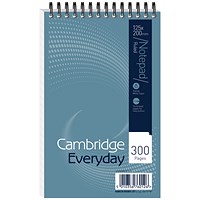
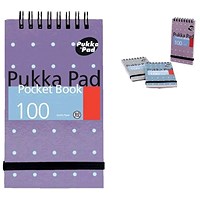
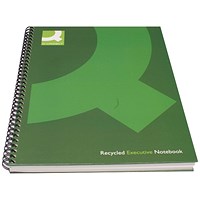
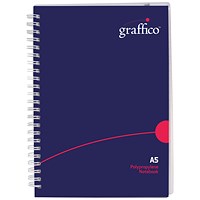
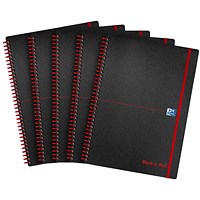
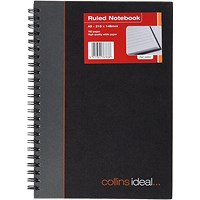
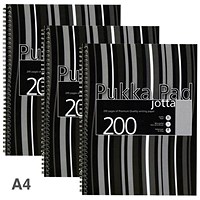
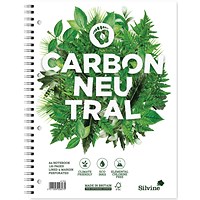
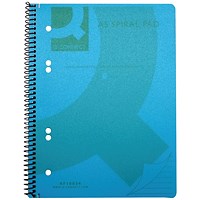
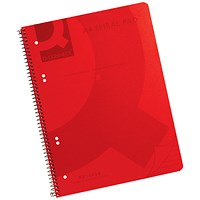
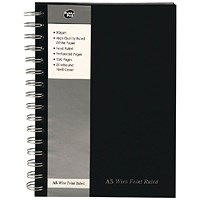
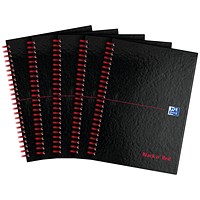
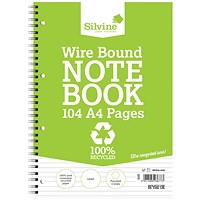
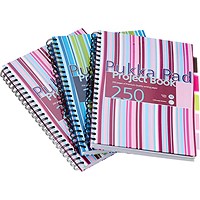
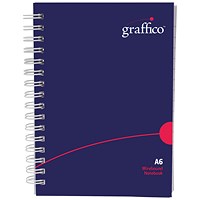
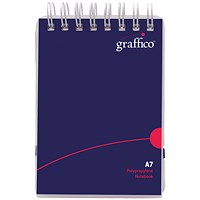
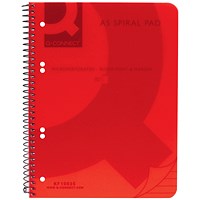
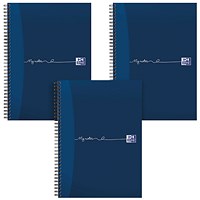
- Wirebound: Kept together with a spiral of wire, the pages are easy to flip over and tear out. These are categorised into side-bound or head-bound. The latter is also known as a ‘reporter’s’ or ‘shorthand’ notepad, as the binding makes it a little easier to turn sheets.
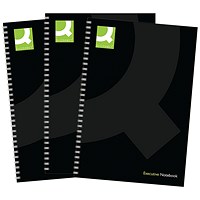
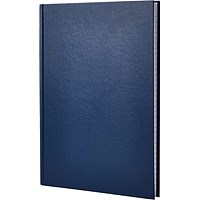
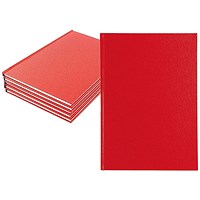
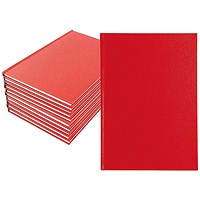
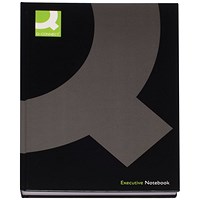
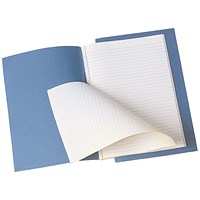
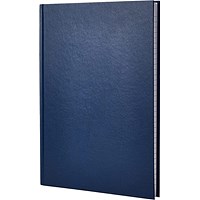
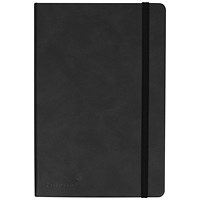
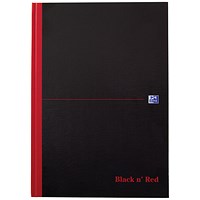
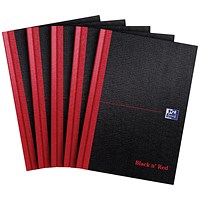
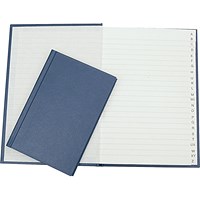
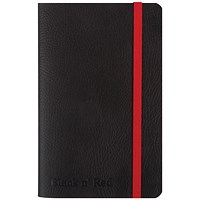
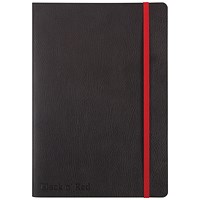
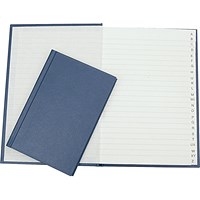
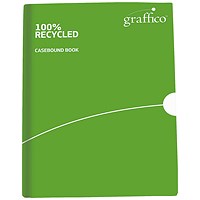
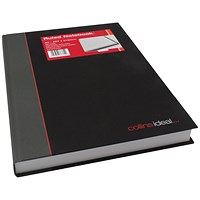
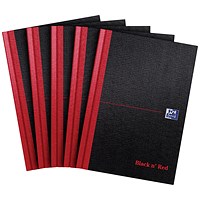
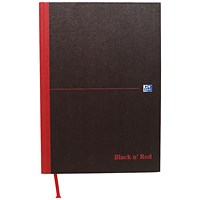
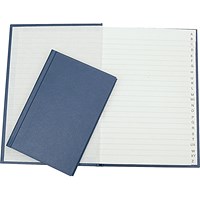
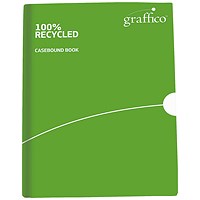
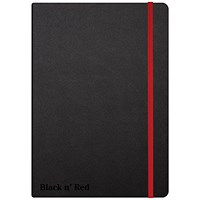
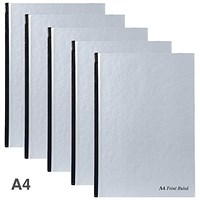
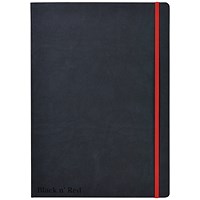
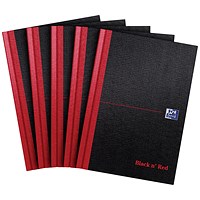
- Casebound: These notebooks are held together with glue or stitching, a little like a novel. Because of this, it is harder to rip pages out of casebound notebooks, and so they are more tamperproof than wirebound books. They also look particularly smart.
Notebooks glossary
Types of notebooks
- Manuscript Books. A casebound notebook, usually ruled and traditionally used for writing novels.
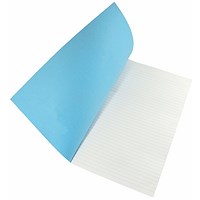
- Exercise books. A staple-bound book traditionally used in the classroom with a soft manilla cover in a variety of colours.
- Shorthand notebooks. Also known as reporter’s pads they are usually wirebound at the top making it easier to turn sheets.
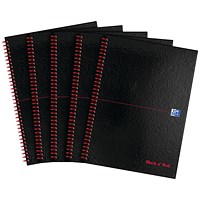
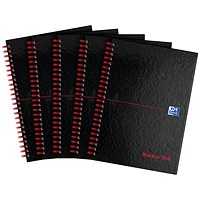
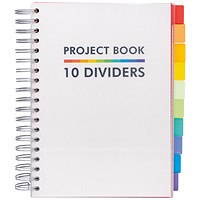
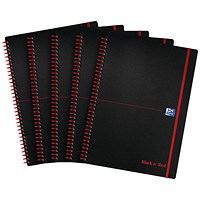
- Wirebound notebooks. Books kept together with a spiral of wire so the pages are easy to flip over and tear out.
Binding
- Casebound. Books held together with glue or stitching like a novel.
- Wirebound. Books held together with a spiral of wire.
- Sidebound. Where the long edge is bound.
- Headbound. Where the short edge is bound.
Cover
- Hard cover. Hard covers protect documents and notes as well as making it easier to write on-the-go, they are made from a variety of materials from cardstock to plastic.
- Soft cover. The cover of a book is flexible so the book contours to different shapes- perfect if you put your notebook in your pocket. They are usually soft to touch and lighter than hard covers and made from a variety of materials.
Other
- Quadrille. Paper with squares instead of lines perfect for drawings or graphs.
- Perforated. Allows easy removal of pages with a clean edge.
- Indexed. Like an address book it has A- Z tabs along the side to help organisation.
- Numbered. the pages are numbered like a reading book.
- Unindexed. The pages are not numbered or lettered.